One image, one moment, one truth. For almost a century, photojournalists have risked their lives, their mental health and sometimes their careers to capture what words alone cannot tell. A look inside a profession as fascinating as it is fragile.

Pierre Le Forestier
Some images you never forget. The little girl running naked down a road in Vietnam. The lone man facing a column of tanks in Tiananmen Square. The piercing green eyes of a young Afghan girl on a magazine cover. These photographs are not mere illustrations: they are fragments of history, snatched from chaos by women and men who were there, in the right place at the right time, often the worst possible time for everyone except History.
That is photojournalism. Bearing witness. Telling the story.
Photojournalism holds a unique place in the media landscape. Neither mere illustration nor pure art, press photography's first purpose is to document reality, inform and bear witness to an event, a situation or an era. From the first war reportage in the 19th century to today's endless streams of images on social media, the discipline has kept evolving while holding on to one requirement: showing reality as accurately as possible.
© Roger Fenton, The Valley of the Shadow of Death, 1855
Photojournalism was born with portable cameras and printing techniques for the press, in the late 19th and early 20th centuries. It really took shape in the 1930s, when cameras became light enough to follow soldiers onto the battlefield. A young Hungarian named Endre Friedmann invented a more marketable pseudonym, Robert Capa, and almost single-handedly created the myth of the war photographer: helmet, camera, nerves of steel, and the line attributed to him that sums up a whole philosophy of the job: if your pictures aren't good enough, you weren't close enough.
In 1947, with Henri Cartier-Bresson, David Seymour (« Chim ») and George Rodger, Capa founded Magnum Photos. The idea was simple and revolutionary: photographers should keep ownership of their images. Almost eighty years later, the agency is still the profession's holy grail: membership is by invitation only.
The following decades unfold like humanity's tragic family album: the Vietnam War and its « napalm girl »; the American Great Depression and Dorothea Lange's migrant mother, exhausted but dignified; Tiananmen and its tank man, whose name we will never know; Afghanistan and the gaze of Sharbat Gula, photographed by Steve McCurry in 1985, who became, despite herself, one of the most recognisable faces on the planet.
© Dorothea Lange, Migrant Mother, 1936
We often picture the photojournalist as an adventurer in a multi-pocket vest, camera round the neck, in a country at war. That's partly true. In reality, the word covers several practices:
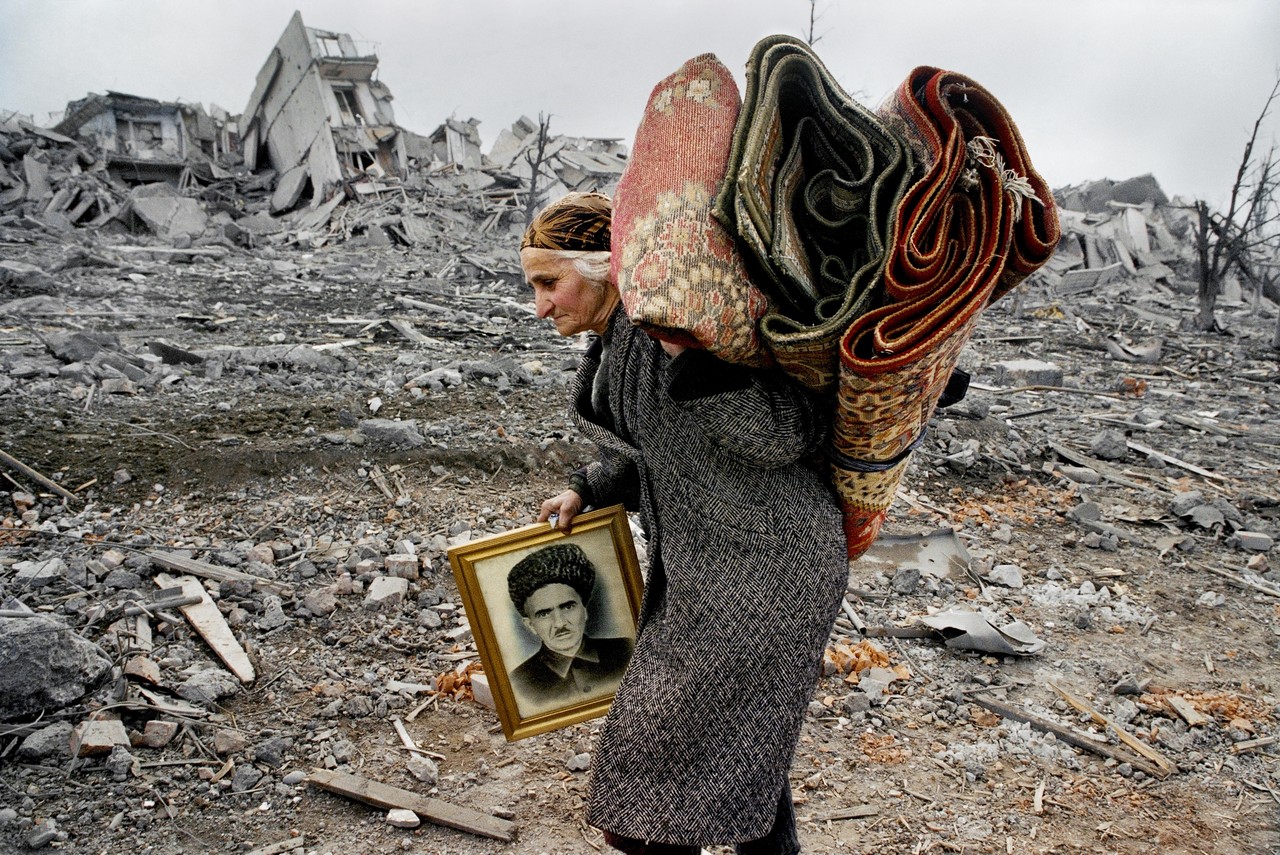
They travel through combat zones with a camera as their only weapon, in extreme conditions, with a particular ethical responsibility in the face of violence and suffering. American figures such as James Nachtwey, Lee Miller and Lynsey Addario embody this today. But so do the French photographers Eric Bouvet, Alain Keler, Gilles CARON, Catherine Leroy, Germaine Kanova and Alexandra Boulat, who covered most of the major conflicts of recent years.
© Eric Bouvet, Grozny.
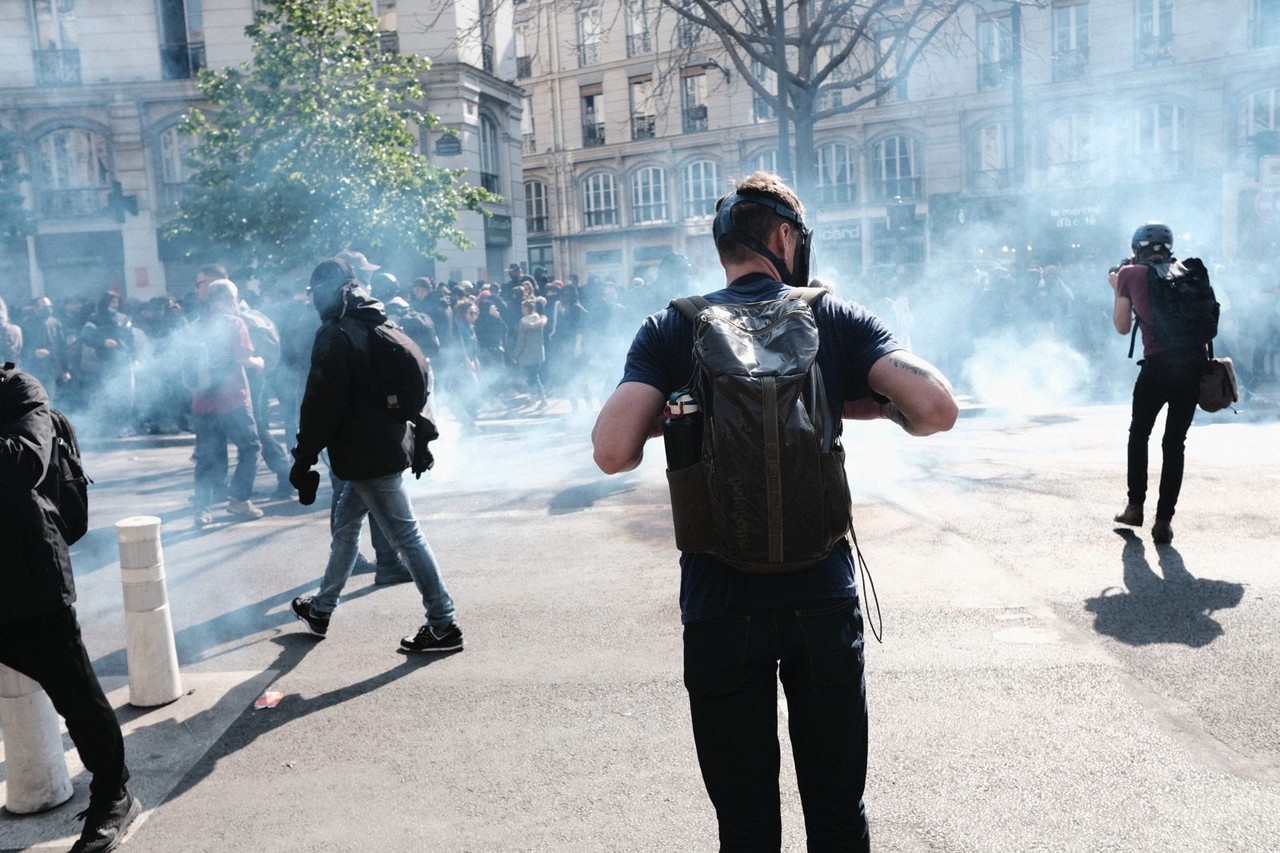
They may not know war, but they know urgency: a demonstration, a news story, a red carpet. They have to be there, straight away, with the right image, before anyone else. A news photographer captures images of world events to inform the public in the press, online and on television. They go out into the field to cover conflicts, politics, crises or social issues in order to bear witness to reality. The images they capture complement or replace words to tell History as it happens. It is a profession whose duty is to show the public the truth. One example is Marie Magnin.
© Argia collective, 1 May demonstration.
They take their time. Weeks, months, sometimes years following a subject in depth, a community, a social crisis, a transformation, to draw from it a rich and nuanced story. This is the approach found, for example, in Hendaye, in the series by Mathieu Ménard and Nahia Garat shown at Crossed Perspectives #2: telling the world.
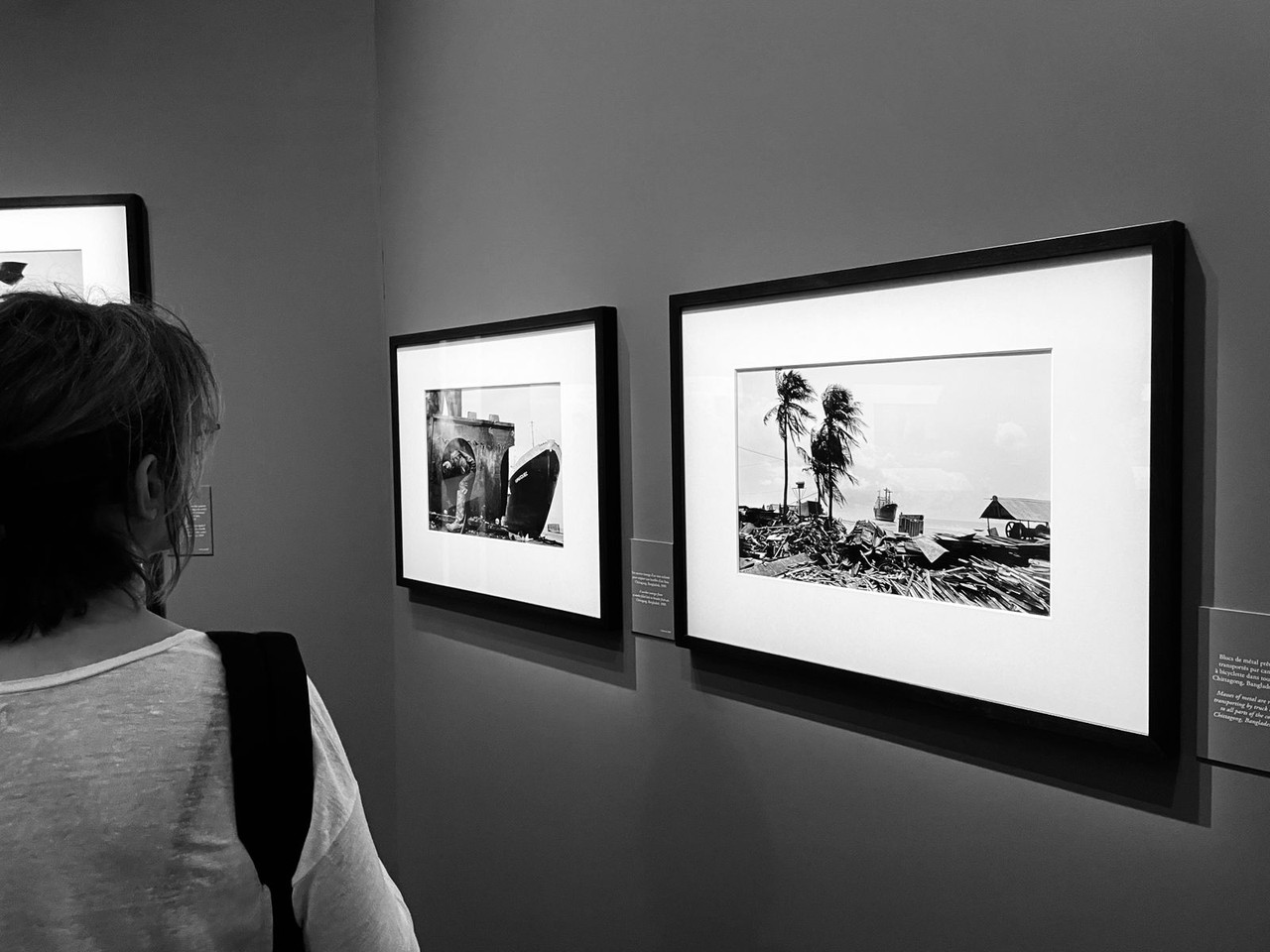
The documentary photographer belongs to a long tradition of photography that bears witness to reality and to changes in society. Among the pioneers, Jacob Riis and Lewis Hine used photography from the late 19th and early 20th centuries to reveal the living conditions of the poor and child labour. This approach took on a new dimension in the 1930s with the Farm Security Administration (FSA), which sent photographers such as Walker Evans, Dorothea Lange, Arthur Rothstein, Russell Lee and Gordon Parks to document the effects of the Great Depression in the United States. Their images, both social testimony and photographic stories, helped lay the foundations of modern photojournalism. Following on from them, photographers such as Robert Capa, W. Eugene Smith, Henri Cartier-Bresson and Sebastião Salgado broadened the field of documentary, tackling war, social upheaval, work and living conditions through a personal lens. The documentary photographer is thus both witness and author: they observe the world and keep a trace of it, but also build a story through their choice of subjects, framing and selection of images.
Sebastião Salgado, tribute exhibition to Sebastião Salgado, Paris City Hall, February to May 2026.
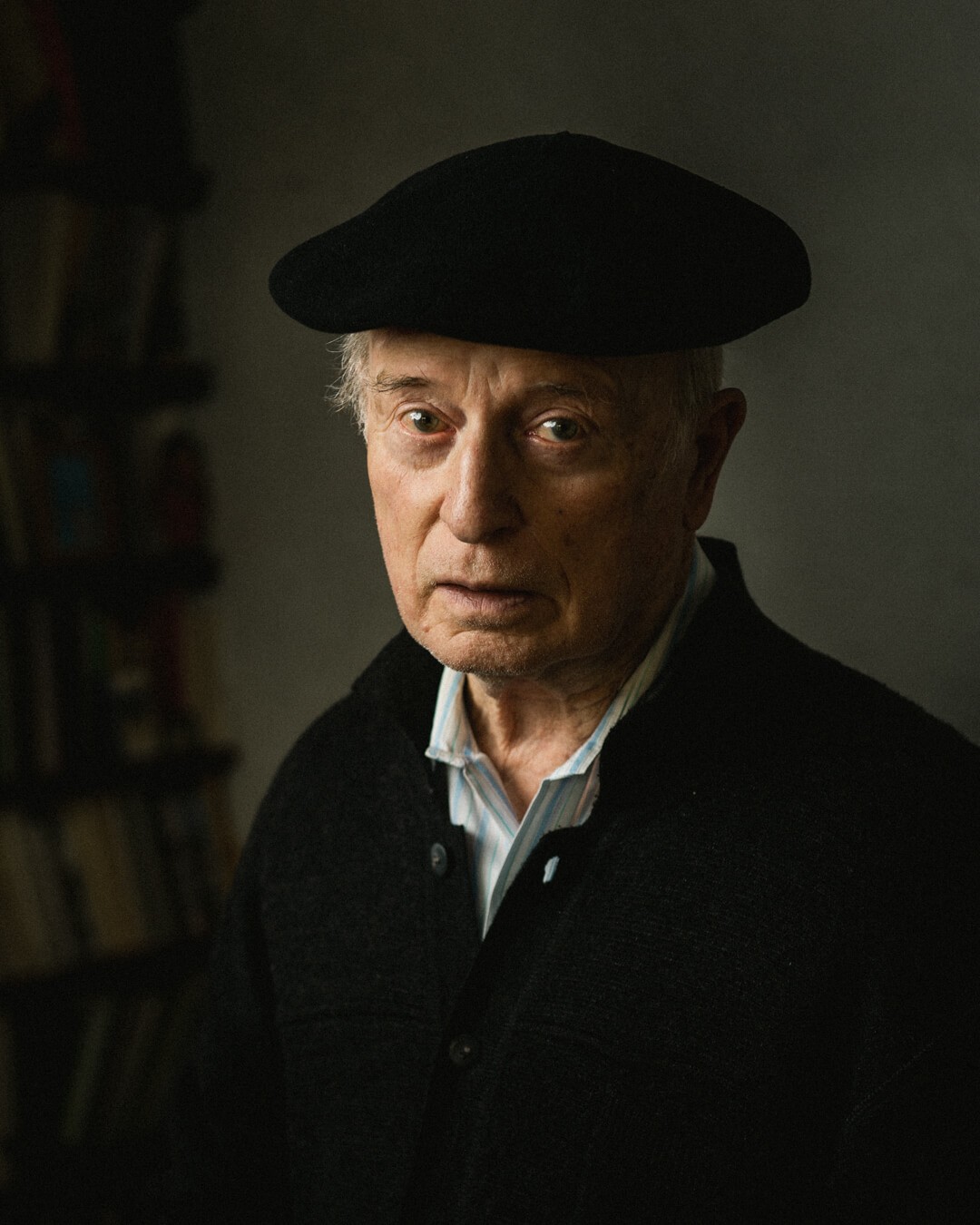
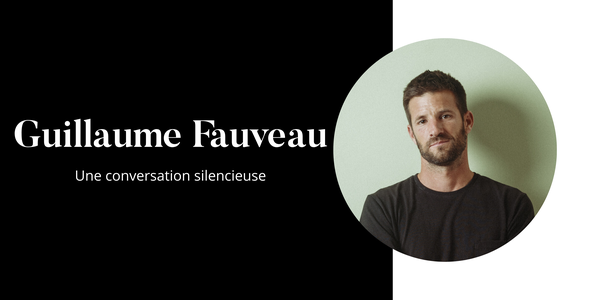
They capture the faces that make the news: politicians, artists, anonymous people who became symbols. Something Guillaume Fauveau, shown at Crossed Perspectives #2: telling the world, practises as an encounter.
The press portrait photographer's mission is to portray a public figure while giving, in a single image, clues to their identity and character. The history of the press portrait is closely tied to the development of the illustrated press in the 20th century and the rise of magazines. Photographers such as Yousuf Karsh, famous for his portraits of political and artistic figures, and Philippe Halsman, known for his celebrity portraits and his work with Life, helped turn the portrait into a genuine journalistic language.
Later, photographers such as Arnold Newman, with his « environmental portraits », and Annie Leibovitz, whose images have marked the press and cultural magazines, developed a more personal approach, bringing in the setting, staging and the subject's personality.
So the press portrait is not just about « photographing someone »: it is about building an image that informs, characterises and tells a story, often in a limited time and within the editorial constraints of the press. Between spontaneity and staging, the portraitist must find the right balance between the subject's real personality and the view they want to convey to the reader.
The same word for very different realities, but with one thing in common: the obsession with telling a true story in a fraction of a second.
Anyone can learn the technique. What sets a photojournalist apart:
Photojournalism was built around agencies that shaped its identity and defended its professionals' status. A few famous examples:
A cooperative owned by its photographers, which let them keep ownership of their images and their editorial independence; a revolutionary model at the time.
Founded by seven war photographers, it has become a major player in contemporary photojournalism, especially in conflict zones.
French agencies born in the 1960s-70s, which long dominated the international market before being weakened by consolidation in the sector and the crisis in the press.
Today's major general agencies, which distribute a large share of the world's press images and cover the news around the clock.
Three awards put the profession in the spotlight each year: the World Press Photo, the Pulitzer Prize for photography and the "Visa d'or" awards of the Visa pour l'image festival in Perpignan.
Here is the less glamorous part of the story. Since the 2000s, the economics of photojournalism have collapsed. Print media is slowly dying, newsrooms are cutting reportage budgets and image banks sell photos for a few euros each.
The result: the vast majority of photojournalists now work freelance, with no fixed salary and no guaranteed insurance, juggling commissions for several outlets. Some reinvent themselves in video, long-form documentary, teaching, or commissions for NGOs and foundations. Others give up.
The paradox is cruel: images have never circulated so widely, and those who produce them have never been so badly paid. Every year, photojournalists are killed, injured or imprisoned while doing their job, as recorded by Reporters Without Borders and the Committee to Protect Journalists: one of the most dangerous professions in journalism.
Twenty years ago, a press photograph was proof. Today, between digital retouching and AI-generated images, nothing is automatically credible. Photojournalists now have to take on a role they never had before: that of guarantor of authenticity in a world saturated with fabricated images. Add to that image rights and consent, especially sensitive in conflict zones, and information overload, which can make shocking images feel ordinary through repetition.
This may be where the future of the profession lies: no longer just knowing how to look at the world, but proving you really saw it.
A photograph doesn't replace an investigation. But it does something no article can do alone: it stops time. It forces us to look at what we would rather ignore. It turns an abstract statistic, thousands dead, millions displaced, into a face, a gaze, an emotion you can't escape.
At a time when anyone can take photos with their phone, professional photojournalists stand out for their ability to provide context, verify, choose the right angle and the right moment, and they tend to take on an editorial and ethical responsibility that amateur images don't always carry.
With news that is ever denser, faster and more complex, the need to inform, bear witness and show remains intact. Even more so today, when artificial intelligence can generate or transform images with unprecedented realism, photojournalism keeps an essential value: that of testimony rooted in reality, carried by a human eye and a presence on the ground. As long as we need to tell the real from the fabricated, photojournalism will have a role to play. It won't disappear: it will keep reinventing itself to tell the story of the world and preserve its traces.
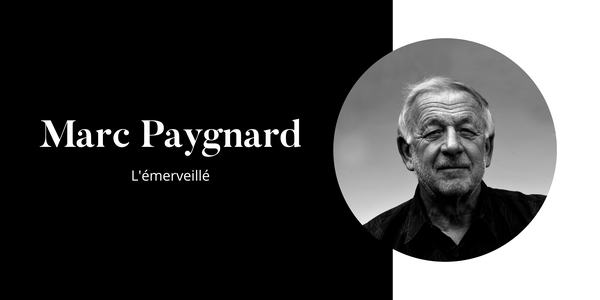
Nahia Garat, Isabelle Besson, Mathieu Menard and Guillaume Fauveau, four photographers who document the world, and Marc Paygnard, patron of the first Three Crowns Photography Festival, who has spent sixty years photographing it: an exhibition at the Mendi Zolan cultural venue (Hendaye), from 16 September to 10 October 2026. Free entry.
It is press photography: a discipline that documents reality to inform, tell and bear witness to an event, situation or era, with a commitment to accuracy and ethics.
News photojournalism works under pressure, to publish fast. Documentary photography takes its time, often months or years, to offer a more nuanced and contextualised view of a subject.
Magnum Photos (1947), VII Photo Agency (2001), the French agencies Gamma, Sipa and Sygma, and the major general agencies Getty Images, Reuters and Associated Press.
The World Press Photo, the Pulitzer Prize for photography and the Visa d'or at the Visa pour l'image festival in Perpignan.
Exhibitions, events, calls for projects and blog articles: get the key news from the Argia Collective straight to your inbox.
Cookies
We and selected third parties use cookies or similar technologies for technical purposes and, with your consent, for experience, measurement and marketing.