Joining a photography collective means choosing to practise photography differently, within a collective, creative and structured setting.

In 2026, being a photographer is no longer just about producing images. Between social media overload, growing competition and the isolation that comes with an often solitary practice, many photographers, amateurs and professionals alike, are looking for new ways to give meaning to their work.
In this context, joining a photography collective is a relevant, lasting and structuring answer.
But what does a collective really bring a photographer today? And why is this model attracting more and more artists?
A photography collective is not just an informal group of photographers. It is a collaborative structure, often an association, that brings artists together around shared values, joint projects and a collective vision of photography.
In 2026, photography collectives play several roles:
They make it possible to move beyond a purely individual approach and to place photography within a collective and cultural dynamic.
Despite social media, photography remains a largely solitary practice. Many photographers work alone, without a setting for discussion, critique or friendly challenge.
This isolation can lead to artistic stagnation, loss of motivation or a lack of perspective on your own work
Joining a photography collective brings back:
The collective becomes a space to talk and reflect, where you can share your doubts, your research and your projects.
One of the main benefits of a collective is the chance to put your work in front of other eyes.
Exchanges between photographers help refine a visual style, clarify an intention and gain coherence.
In 2026, photographers are increasingly judged on their approach, not just on individual images. A collective encourages work, thematic reflection and artistic continuity.
Organising an exhibition takes time, resources and a network. A photography collective makes it possible to pool skills, contacts, and material and financial resources.
Group exhibitions also give photographers greater visibility and make projects more credible.
Collectives are often behind ambitious projects:
These formats are hard to carry alone, but become accessible within a structured collective.
In 2026, photography collectives are true local cultural players. They work with local authorities, cultural organisations, associations and schools.
For a photographer, joining a collective gives a local dimension to their work, a chance to meet new audiences and to set their images in a real, living context.
While collectives are often rooted locally, they are also open to the outside world. Exchanges between photographers from different backgrounds enrich both projects and perspectives.
Photography holds a central place in our contemporary societies. Photography collectives help pass on knowledge, practices and a critical eye on images.
Workshops, educational projects, participatory initiatives: these make photography accessible to everyone.
For many photographers, passing on and sharing are part of the artistic approach. Getting involved in a collective means contributing to a living, committed and shared photography.
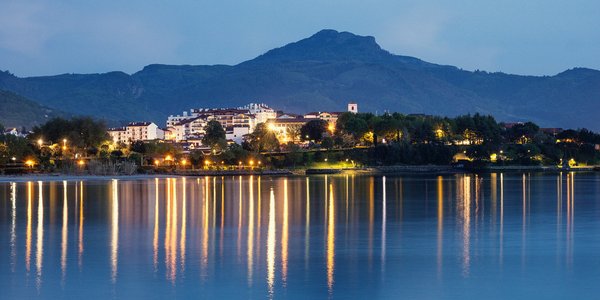
Based in Hendaye, in the Basque Country, Argia is a photography collective that brings amateur and professional photographers together around artistic, cultural and social projects.
Rooted in a strong local identity yet open to the world, Argia offers a space for exchange and creation, evolving collective projects and a human, collaborative approach to photography.
Before joining a collective, it is important to ask yourself a few questions:
A good collective is above all a space for listening, respect and building things together.
In 2026, joining a photography collective is no longer a secondary choice. It is a way to strengthen your practice, give meaning to your work and be part of a lasting artistic and human dynamic.
For many photographers, the collective becomes a real driver of creation, reflection and commitment.
More photography articles are waiting for you!
Exhibitions, events, calls for projects and blog articles: get the key news from the Argia Collective straight to your inbox.
Join the Argia photography collective
Cookies
We and selected third parties use cookies or similar technologies for technical purposes and, with your consent, for experience, measurement and marketing.